Dental fear is not a weakness
It is called dentophobia or dental anxiety, and it affects one in three people. It’s not a question of character or excessive sensitivity: it has precise roots. A painful experience in the past — often in childhood, when pain tolerance was lower and no one explained what was happening. The sound of the drill. The smell of the surgery. The reclined position that removes your sense of control. Not knowing what is about to happen.
These signals are encoded in memory far more durably than neutral experiences. And the problem is that fear leads to delaying care, delayed care leads to more complex situations, and more complex situations feed the fear. It’s a cycle we know well — and one that can be broken.
How we welcome anxious patients: our protocol
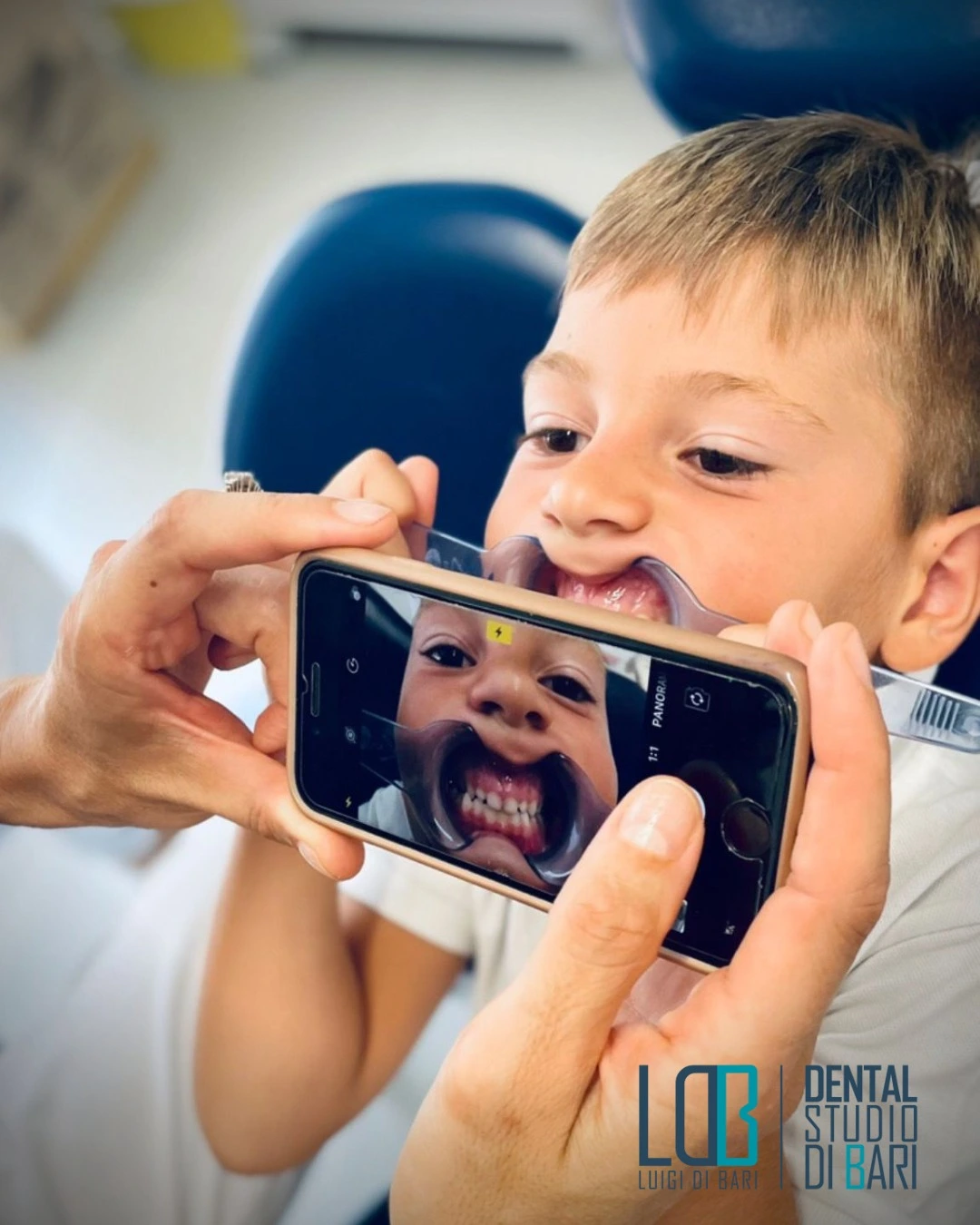
Over the years we have developed a specific approach for patients who write or call us saying “I am very afraid.” It is not a written protocol on paper — it is a practice culture that involves the whole team, from reception to the chair. Here is how it works in practice.
Before you even arrive: the call or the message
When an anxious patient contacts us, we don’t immediately book an operative appointment. We take the time to understand the history, the specific fears, the past experiences. Sometimes simply knowing you are being heard is enough to lower the guard a few degrees. If you prefer to message us first on WhatsApp, that’s absolutely fine — many patients do.
The first visit: no rush, no surprises
The first visit with an anxious patient is always dedicated to meeting and assessment, never to treatment. We enter the practice, sit down, talk. Dr. di Bari explains what he will see, what he will do and why — before doing anything. The goal of this first session is for the patient to leave feeling less anxious than when they arrived.
The “raise and stop” technique
Before starting any procedure we establish a signal — usually raising a hand — that means “stop immediately.” The patient has control of the situation at every moment. This awareness alone, for many people, completely changes the experience in the chair. Knowing you can stop everything whenever you want is very different from feeling at the mercy of someone else.
Extended timings and step-by-step explanations
We don’t work in a hurry with anxious patients. Every step is explained before being performed: “Now I’m putting in the anaesthetic, you’ll feel a small pressure for a few seconds, then we’ll wait together for it to take effect.” No surprises. No sudden movements. Narrating what is happening reduces the activation of the autonomic nervous system — it actually works, it’s not just kindness.
Music, light and environment
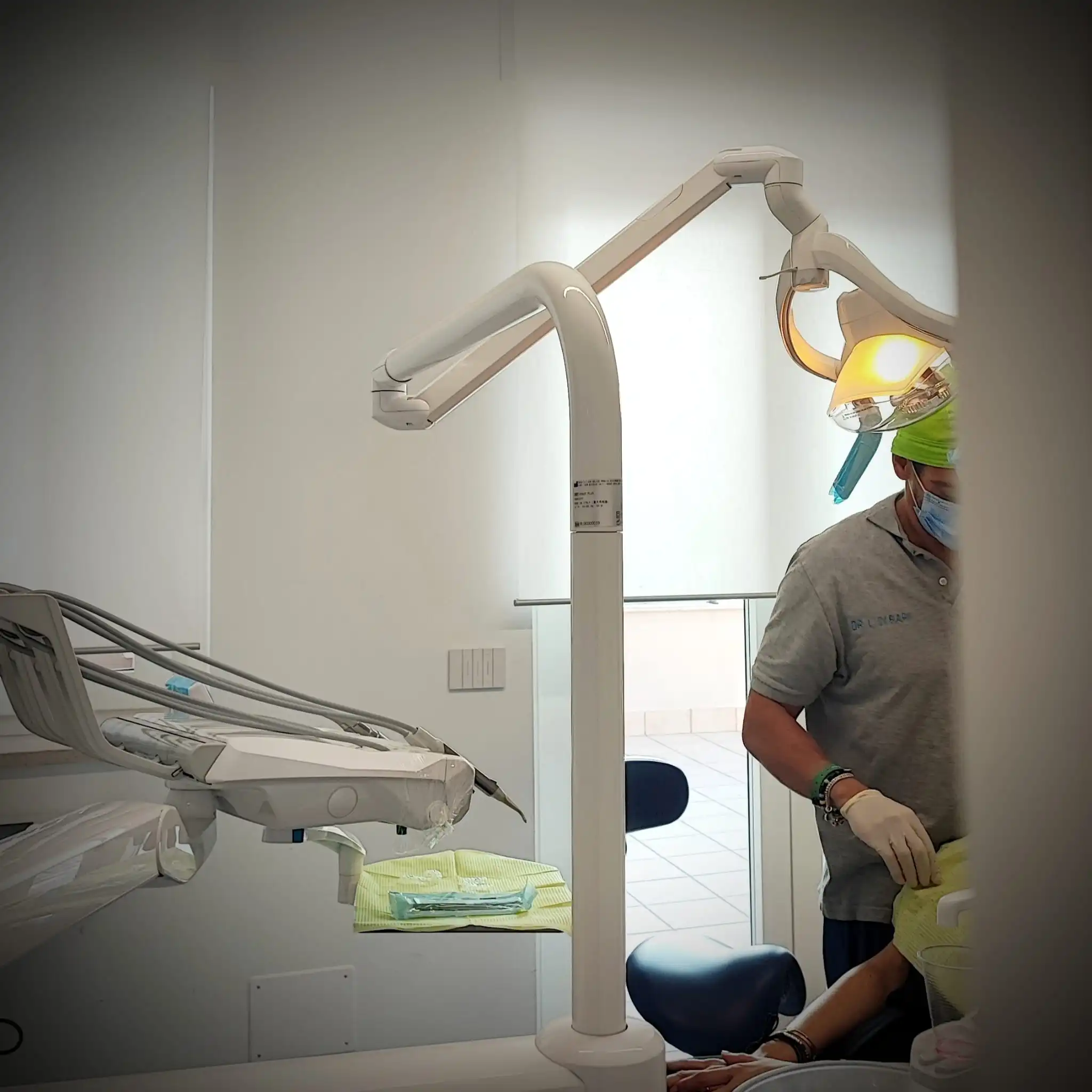
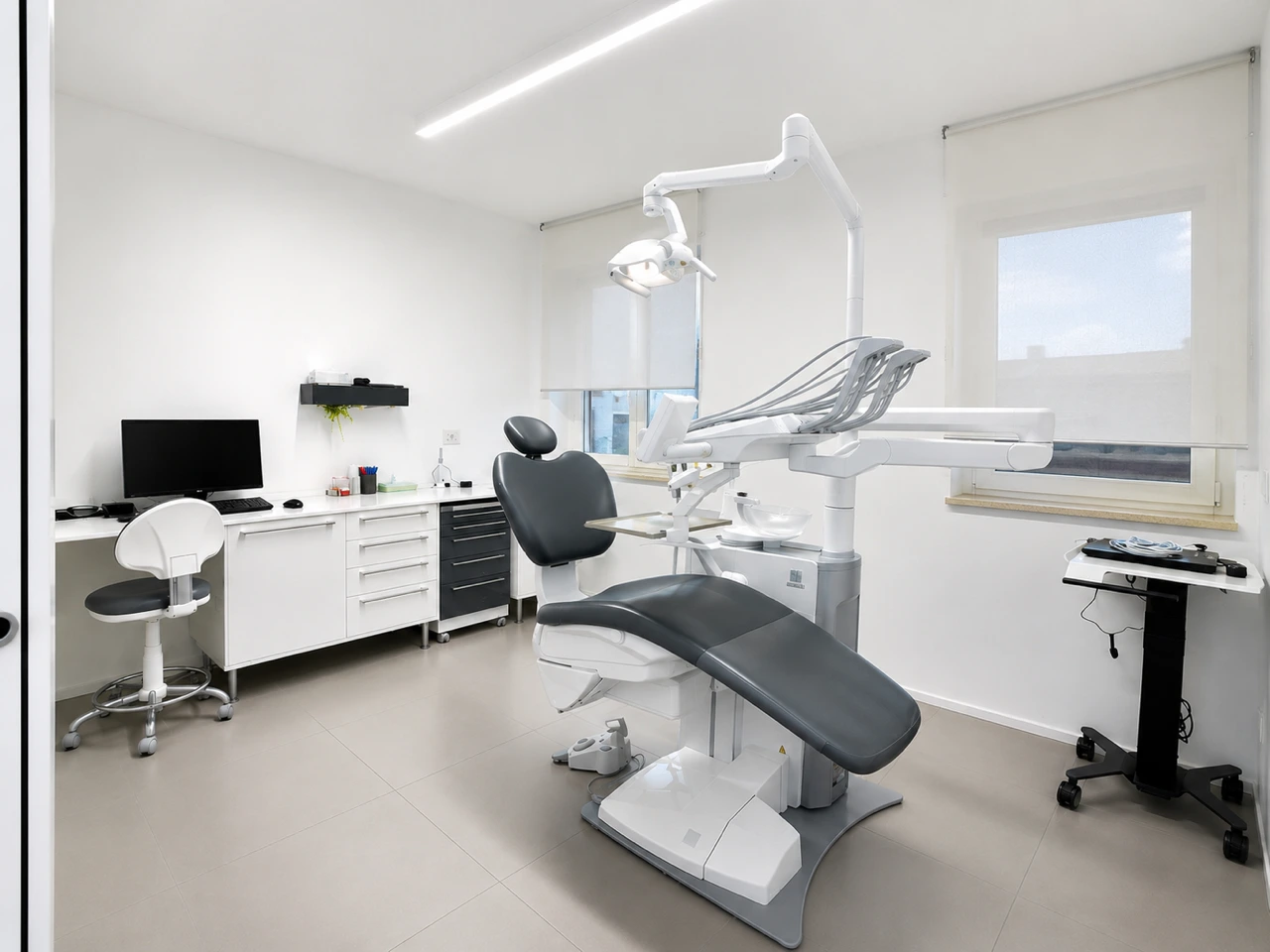
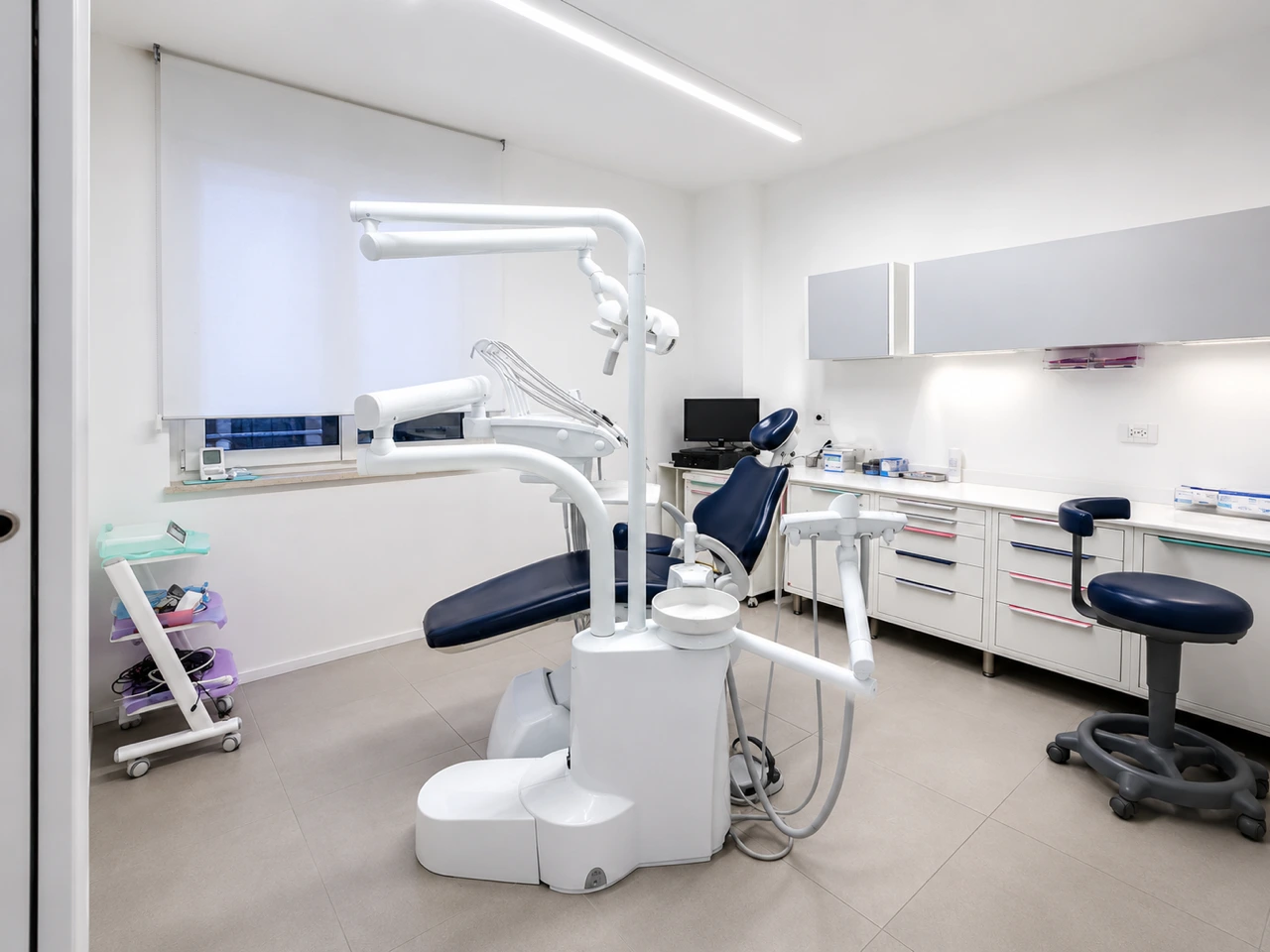
The practice environment is designed not to be that place many people remember with dread. Warm lighting, background music that you can choose, no equipment left running unnecessarily. Small details matter, especially for someone in a state of heightened alertness.
Conscious sedation: when something more is needed
For patients with severe anxiety — those who despite everything else cannot manage to stay in the chair, or who need to face a long and complex procedure — we offer conscious sedation. This is a light sedation with anxiolytic medications (generally midazolam orally or intravenously): the patient is awake and cooperative, but deeply relaxed. In most cases they don’t remember the details of the procedure. It is not general anaesthesia: it does not require an operating theatre. But it completely changes the experience for those who need it.
What patients who were terrified tell us
What gratifies us most are not the aesthetically spectacular cases — it is the people who come back. Those who write to us after the first visit to say they didn’t expect it, that they were almost fine, that they finally made a second appointment after years.
“I came here with enormous fear — I hadn’t been to a dentist in seven years. I found an environment completely different from what I remembered. They explained everything, never made me feel stupid for having waited so long. Now I come every six months.”
— Patient, Manfredonia“I had conscious sedation for an important procedure. I barely remember anything — I woke up and it was already finished. I couldn’t believe it was possible to face it like that.”
— Patient, ManfredoniaWhy dental fear is worth overcoming
The mouth is a window to the rest of the body. Oral health has a direct impact on cardiovascular health, diabetes management, quality of sleep, and even self-confidence in social and professional contexts. Every year of avoided care can mean a problem that starts as a simple cavity and becomes a root canal, or an inflammation that becomes periodontitis.
We are not saying this to create urgency. We are saying it because we have seen what happens when someone finally decides to come — and discovers it was far less frightening than imagined. The first step is always the hardest. The rest becomes easier, visit by visit.
Would you like to have a preliminary conversation before booking?
Write to us on WhatsApp or call us. We’ll find the right approach together, at your pace.
Article written by Dr. Luigi di Bari, Dental Studio in Manfredonia (FG). Last updated: April 2026.