Why teeth become darker
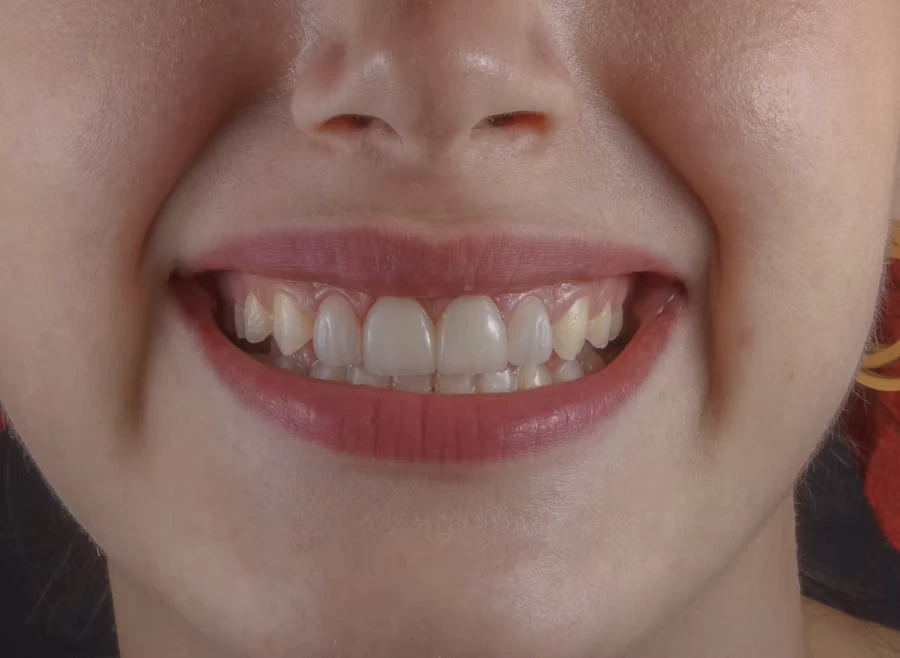
Teeth darken for different reasons: surface staining from coffee, tea, red wine and smoking (extrinsic stains), or changes in the colour of the internal dentine (intrinsic stains), caused by ageing, medications such as tetracyclines, dental trauma or excess fluoride during childhood.
Professional whitening works effectively on extrinsic stains and many age-related intrinsic stains. But it does not change the colour of ceramic crowns, veneers, fillings or bridges — these retain their original shade. If you want a uniform smile after whitening your natural teeth, you may also need to consider replacing any aesthetic restorations.
Professional vs. at-home kits: the real difference
The market is full of whitening products: strips, tray kits, whitening toothpastes, pens. The active ingredient is the same (hydrogen peroxide or carbamide peroxide) but concentrations are much lower than professional products, making results more limited and less long-lasting.
Risks of DIY kits: non-custom trays can let gel leak onto the gums, causing irritation or damage. Prolonged use without supervision can increase sensitivity and harm the enamel.
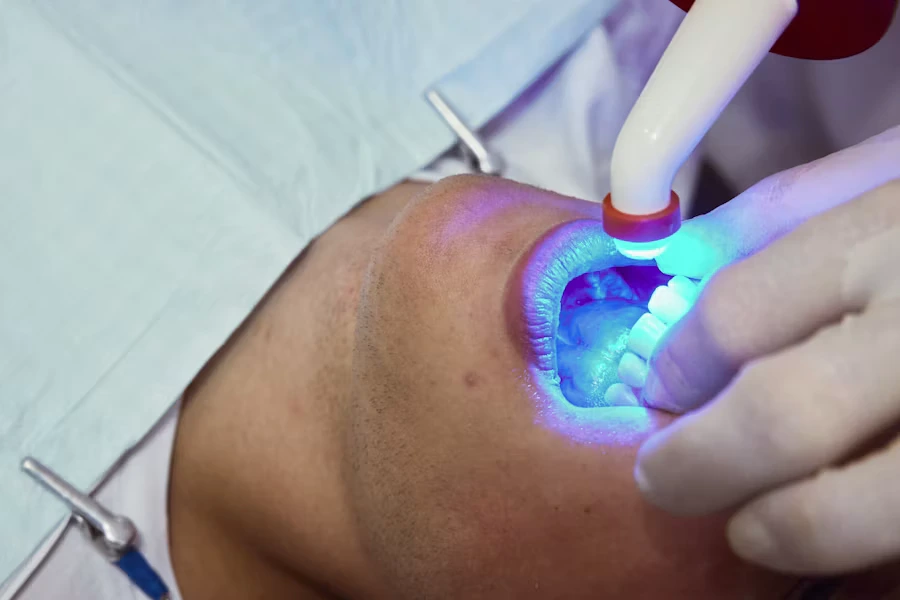
In-surgery professional whitening uses controlled hydrogen peroxide concentrations (typically 25–40%), activated by LED lamp. It's safer because the gums are protected with a silicone dam, and more effective — achieving an average of 4–8 shades lighter in a single 60–90 minute session.
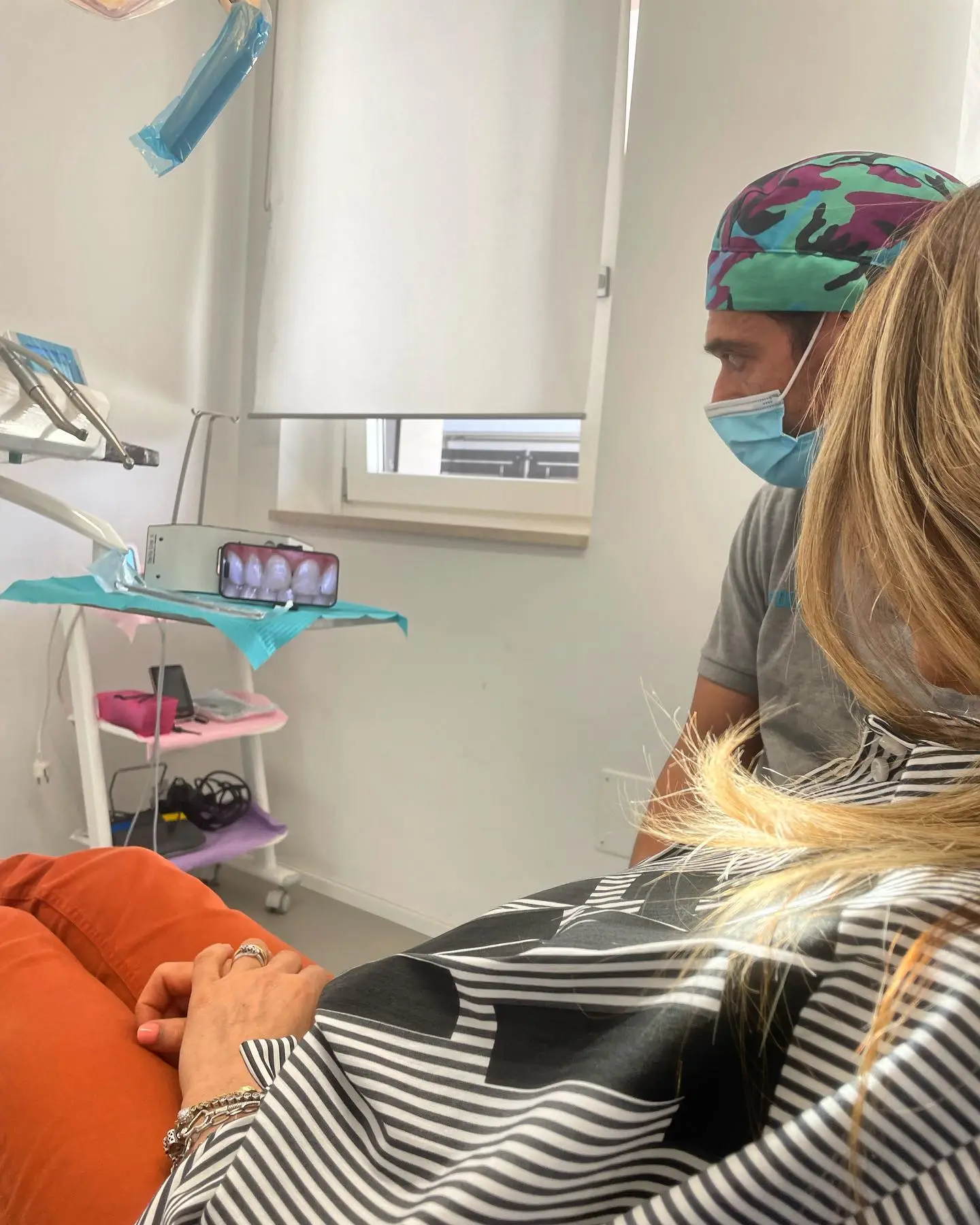
Before whitening: what to assess
- Clinical assessment of the gums: whitening should not be performed in the presence of active gingivitis or untreated cavities.
- Pre-existing tooth sensitivity: patients with already sensitive teeth may have a more intense reaction. In these cases a desensitising gel is used in the week before treatment and lower concentrations are applied.
- Realistic expectations: results depend on the starting colour. Yellow-brown staining from coffee and tea responds very well. Tetracycline staining or structural colour variations respond less well and may require multiple sessions or alternative solutions (veneers).
After whitening: what to expect
Transient sensitivity in the 24–48 hours after treatment is normal, managed with desensitising gels and mild analgesics if needed.
"White diet" for 48 hours: avoid coffee, tea, red wine, tomato, blueberries — anything that could stain a white shirt can also stain enamel in the hours following treatment.
How long results last depends on habits: on average 1–2 years with correct oral hygiene and periodic check-ups. We provide custom trays for at-home touch-ups.
Ready to transform your smile's colour?
Explore the dental aesthetic treatments available at our practice.
Whitening and gum health: a prerequisite often overlooked
Before any whitening treatment, the gums must be healthy. Inflamed or bleeding gums — or gums showing signs of periodontitis — not only make the treatment more uncomfortable; they increase the risk of irritation and can compromise results. If your gums bleed when you brush, it's worth resolving that inflammation first. We have written a complete guide on the causes and remedies for inflamed gums.
In general, we always recommend a professional cleaning session in the weeks before whitening: tartar-free enamel responds better to the treatment and the result is more even.
Whitening and veneers: when whitening isn't enough
Whitening has limits: it acts on natural enamel but cannot modify existing crowns, veneers or fillings. If you have significant aesthetic restorations on front teeth, these may need updating after treatment to maintain a harmonious smile — or you could consider ceramic veneers directly, which solve both the colour and shape of front teeth in one step. The choice depends on your starting point and aesthetic goals.
Article written by Dr. Luigi di Bari, Dental Studio in Manfredonia (FG). Last updated: May 2026.