What are dental veneers?
Dental veneers (also called veneers) are extremely thin shells — typically 0.3 to 0.7 mm thick — bonded to the front surface of the tooth with a high-strength adhesive. The result is a permanent modification of the tooth’s colour, shape and size, visually indistinguishable from a natural tooth.
They are indicated primarily for front teeth: incisors and canines. They are not used on molars because the posterior chewing forces could compromise them.
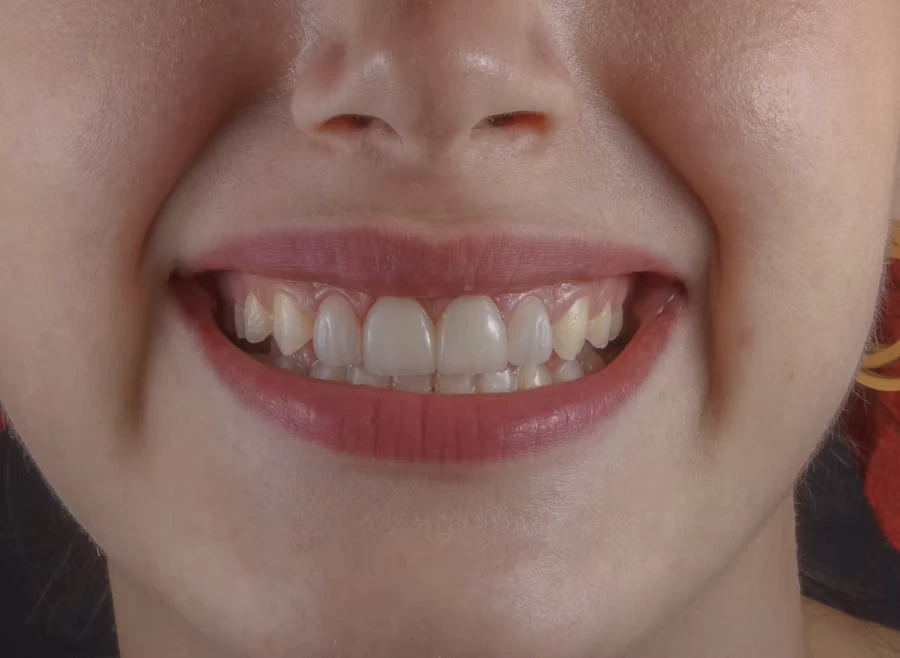
The fundamental difference compared to a full crown is minimal invasiveness: with veneers, most of the original dental structure is preserved, reducing only the surface layer of enamel needed to accommodate the shell.
Ceramic or composite? The differences that matter
| Feature | Ceramic veneers | Composite veneers |
|---|---|---|
| Aesthetic naturalness | Excellent — translucency similar to natural enamel | Good, depends on the operator’s skill |
| Stain resistance | High — does not stain with coffee, tea or wine | Moderate — may darken over time |
| Average lifespan | 10–20 years | 5–8 years |
| Tooth preparation | Minimal enamel reduction (0.3–0.5 mm) | Often no-prep (no preparation needed) |
| Reversibility | Not reversible | In some cases reversible or repairable |
| Sessions needed | 2–3 (including lab work) | 1 (direct) or 2 (indirect) |
Within ceramics there are materials of different quality: from traditional feldspathic ceramic to lithium disilicate (such as the e.max system), which offers the optimal balance between mechanical strength and aesthetics. At our practice we use the latest-generation materials with a trusted laboratory selected for precision and aesthetic quality.
When veneers are the right choice
- Teeth with whitening-resistant discolouration — such as from tetracyclines, fluorosis or trauma
- Small, irregular or abnormally shaped teeth
- Small diastemas (gaps between teeth) that one doesn’t want to correct with orthodontics
- Mildly worn enamel or small chips
- “Gummy” smile where teeth appear short — veneers can optically lengthen them
When veneers are NOT indicated
- Teeth with extensive decay or little remaining enamel (a full crown is preferable)
- Patients with active bruxism — grinding forces can chip or detach veneers
- Severe malocclusions that first require orthodontic correction
- Patients with parafunctions (nail biting, biting hard objects) that haven’t been corrected
The veneer process: from first visit to final result
The path typically unfolds across 2–3 appointments:
- Diagnostic assessment: clinical examination, photos and discussion of the aesthetic goals. We may use a digital smile preview to show the expected result before touching the teeth.
- Tooth preparation: minimal reduction of the enamel surface (0.3–0.5 mm, less than the thickness of a sheet of paper). Impressions or digital scan taken. Temporary veneers placed.
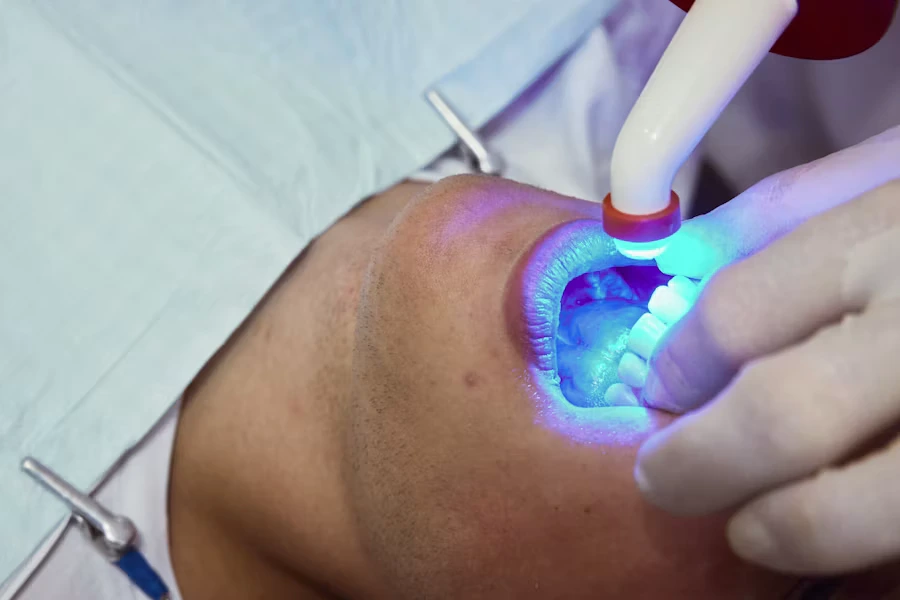
- Fitting and bonding: the ceramic veneers arrive from the laboratory, tried on for colour and shape, adjusted if needed, then bonded with photopolymerisable adhesive. The result is immediate.
Want to find out if veneers are right for your smile?
Request a consultation: we’ll assess the situation and show you the expected result before you decide.
How long do veneers last?
Ceramic veneers last on average 10–20 years with correct care. The factors that affect their longevity:
- Avoiding biting hard objects (nails, pen lids, bottle caps)
- Using an occlusal splint at night if you grind your teeth
- Maintaining excellent oral hygiene to protect the gum-veneer margin
- Regular check-ups every 6–12 months
Unlike what many think, veneers do not require special maintenance: they are cleaned just like natural teeth with a normal toothbrush and floss. Avoid very abrasive toothpastes that can scratch the ceramic surface.
Veneers and whitening: when one isn’t enough
Whitening and veneers solve different problems. Whitening acts on the natural enamel and is ideal for eliminating extrinsic or age-related staining. Veneers, on the other hand, solve colour, form and minor position issues simultaneously — but at a higher cost and with greater invasiveness.
For patients with only colour issues and healthy enamel, professional whitening is often the right first step. For those who also want to correct the shape, close small gaps or mask structural staining resistant to whitening, veneers offer a more complete solution.
Article written by Dr. Luigi di Bari, Dental Studio in Manfredonia (FG). Last updated: May 2026.