Why the price of dental implants varies so much
Searching online for “dental implant cost” returns very wide ranges. This variability is not random or suspicious: it reflects the fact that every clinical case is different. Two people who lose the same tooth may require completely different journeys — and therefore very different costs — based on available bone, previous infections, tissue quality and aesthetic expectations.
A serious estimate cannot be given by phone or email without a visit. What a good dentist can do — and what we do at our practice — is explain transparently what is in your estimate and why, so you can compare intelligently.
The clinical factors that determine the cost
Bone quantity and quality
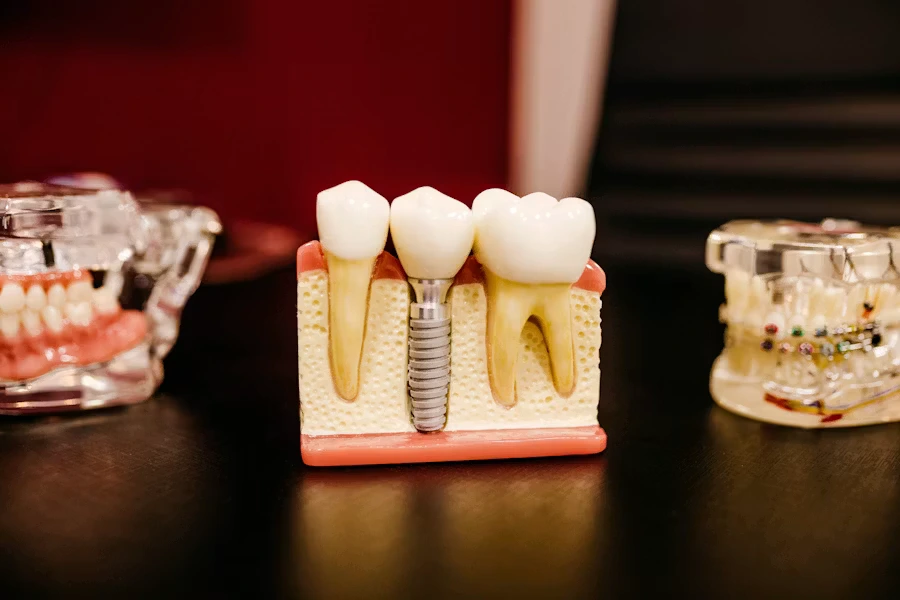
This is the most decisive factor. If there is sufficient bone in height and width, the implant can be placed directly. If bone is missing — through post-extraction resorption or periodontitis — a preliminary bone graft is needed, which adds a stage and a cost to the journey.
Number of implants
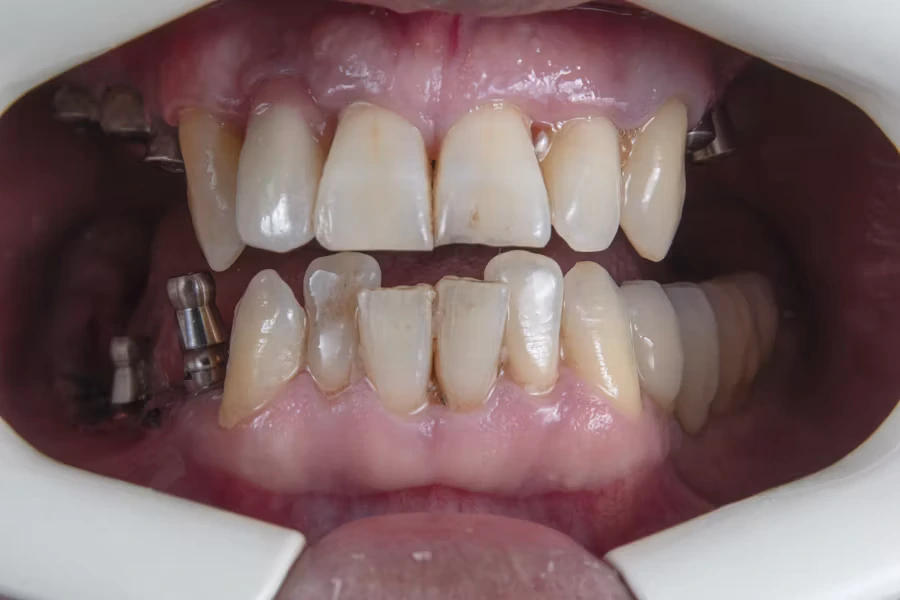
A single missing tooth requires one implant. The loss of multiple teeth can be managed with multiple single implants or with implant-supported prosthetics (All-on-4, All-on-6), where 4–6 implants support an entire arch — often a more efficient solution than one implant per tooth.
Type of prosthetic crown
An implant needs a crown placed on it. The choice of material — full ceramic, zirconia, metal-ceramic — affects aesthetics, durability and cost. Zirconia is today the gold standard for aesthetics and durability, but has a higher production cost.
Bone graft or sinus lift
If bone is insufficient in the posterior upper jaw, a sinus lift (maxillary sinus augmentation) may be necessary. In frontal or mandibular areas, guided bone regeneration (GBR) with membranes and graft material is used instead. Both procedures have a separate cost.
Planning technology
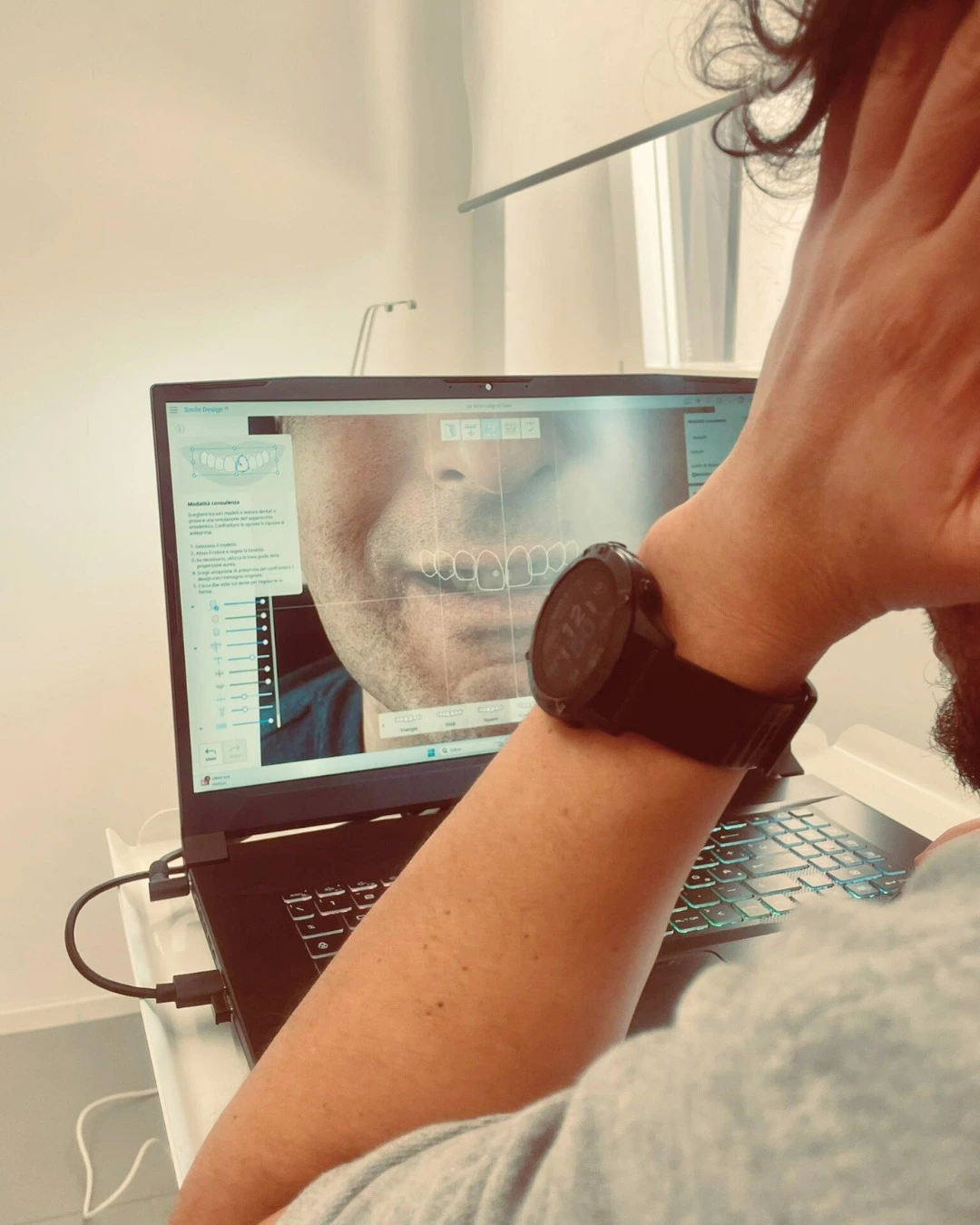
Cone beam CT (CBCT) allows the bone to be seen in 3D and the exact implant position planned before surgery. Guided surgery (with custom surgical stents) increases precision and reduces risks. These technologies improve the outcome and affect overall cost.
Implant brand and system
There are implant systems of different tiers. Premium systems (Straumann, Nobel Biocare, Zimmer) have decades of clinical studies behind them and spare parts available long-term. An unknown-brand implant may cost less today, but creates problems if compatible prosthetic components cannot be found 10 years later.
The complete journey: what the estimate includes
A transparent estimate should detail every stage. In a standard case without complications, the journey includes:
- Implantological consultation and diagnostics — including CBCT if necessary for 3D planning
- Titanium implant placement — the surgical procedure itself, under local anaesthesia
- Osseointegration period — 3–6 months during which the implant fuses with the bone; a provisional crown is sometimes placed to avoid being left without a tooth
- Abutment placement — the connector between implant and crown
- Final ceramic or zirconia crown — custom-made in a dental laboratory
- Post-operative check-ups — included in the journey or separate, depending on the practice
Single implant vs All-on-4: when each makes sense
Those missing many teeth — or an entire arch — often evaluate whether to have single implants or opt for complete implant rehabilitation. The answer depends on the number of missing teeth, available bone and budget.
The All-on-4 (or All-on-6) technique involves placing 4–6 strategically tilted implants to use available bone even where it would be insufficient for traditional implants. A full fixed prosthesis is anchored to these implants. The advantage is that an entire arch of fixed teeth is achieved with fewer procedures, less waiting time and often without bone grafts. Our Before & After cases show the concrete results of these rehabilitations.
NHS and insurance: what they actually cover
The NHS covers dental implants only in very specific cases: primarily oncological patients who have undergone maxillofacial surgery with bone tissue loss, or situations of severe documented functional impairment. For the vast majority of patients, implants remain a private expense.
Supplementary health policies — company funds, professional schemes, private insurance — sometimes provide partial reimbursement for implantology. It is necessary to check your contract conditions: maximums are often limited and conditions vary greatly. At our practice we offer instalment payment plans to make treatment accessible even without insurance cover.
Does the implant hurt? What to expect
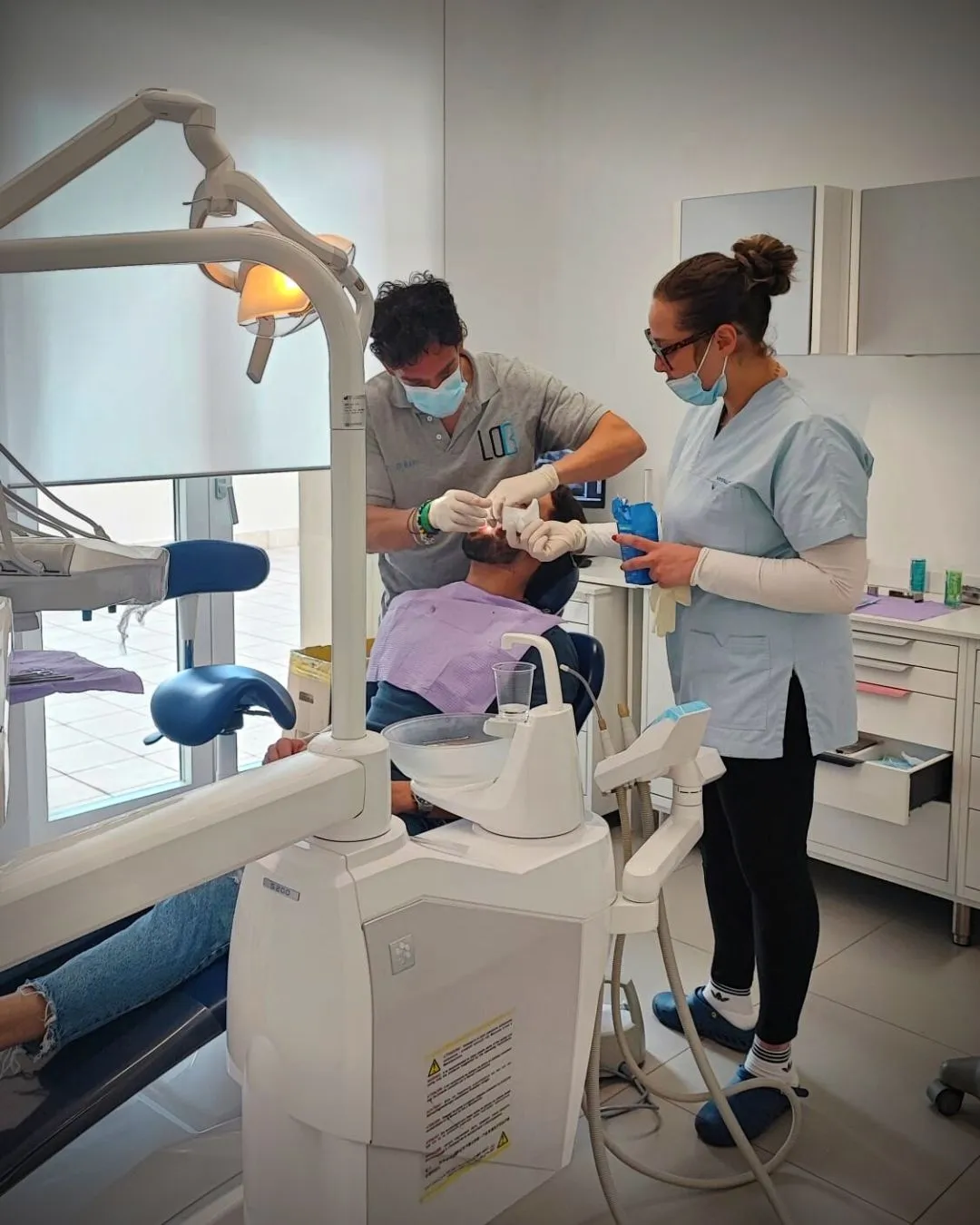
The implant placement procedure is performed under local anaesthesia: no pain is felt during the procedure, only pressure and vibrations. In the 48–72 hours after, moderate swelling in the treated area is normal and manageable with over-the-counter painkillers. Many patients tell us the post-operative discomfort was less than expected.
For patients with strong anxiety or for more complex procedures, conscious sedation is available: the patient is awake but deeply relaxed, and in most cases does not remember the procedure. This is one of the options we make available at our practice for those who have had negative experiences in the past.
Want to know what it would cost in your specific case?
The estimate is free and detailed. From the first visit you know exactly what is needed and why.
Article written by Dr. Luigi di Bari, Dental Studio in Manfredonia (FG). Last updated: May 2026.