First: what is a “screw” in implantology?
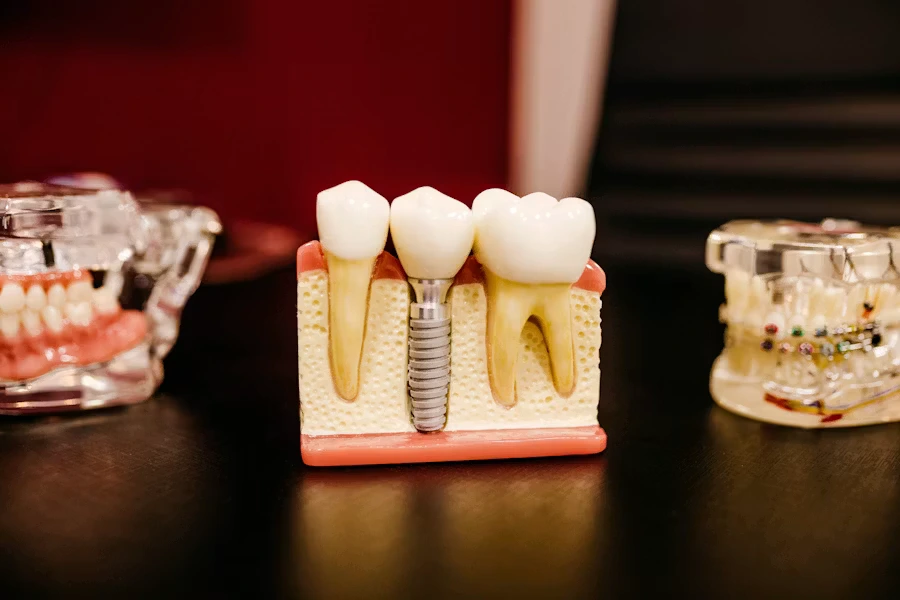
The confusion comes from language. When we talk about a dental implant, the “screw” is the implant itself — a threaded cylinder of biocompatible titanium that is inserted into the upper or lower jawbone to act as the tooth root. It is not a visible or accessible screw from outside: once integrated into the bone, it is covered by the prosthetic crown and gums.
That said, there is no dental implant without a screw in the literal sense: any implant system must anchor to something — bone, the zygomatic bone, or another anatomical structure. What varies is where and how it anchors, how invasive the placement is, and whether bone in the traditional area is needed. Alternatives exist, and in some cases they are the right solution.
The alternatives to traditional implants: what actually exists
Mini-implants (MDI)
Mini-implants have a reduced diameter — under 3 mm compared to 3.5–5 mm for standard implants. They require less bone, are often placed without a gum incision and sometimes in a single session. The procedure is less traumatic and recovery faster.
Indicated for: stabilising removable dentures (especially the lower denture that tends to move during chewing), very narrow interdental spaces where a standard implant won’t fit. Not indicated for supporting single crowns in posterior areas where chewing loads are high — the fracture risk is real.
Zygomatic implants
When the upper jaw has undergone severe bone resorption — from multiple extractions, advanced periodontitis or time spent without teeth — the available alveolar bone may be insufficient for traditional implants. The zygomatic implant is long (35–55 mm) and instead of anchoring in the alveolar bone, it crosses the maxillary sinus and fixes in the zygomatic bone, which is dense and stable.
Indicated for: patients with severe upper jaw atrophy who want to avoid extensive bone grafts and long waiting times. They often allow complete fixed rehabilitation in reduced time. They require a surgeon with specific experience in this technique.
Pterygoid implants
Similar in concept to zygomatic implants, pterygoid implants anchor in the pterygoid plate — a dense bony structure located in the posterior area of the skull, behind the maxillary tuberosity. They are used to rehabilitate the posterior upper jaw when the maxillary sinus is very expanded and a sinus lift would be complex.
Indicated for: patients with very pneumatised maxillary sinuses and little bone in the area of the upper molars, as an alternative to sinus lifting. Advanced technique requiring experience and accurate 3D planning with CBCT.
All-on-4 and All-on-6
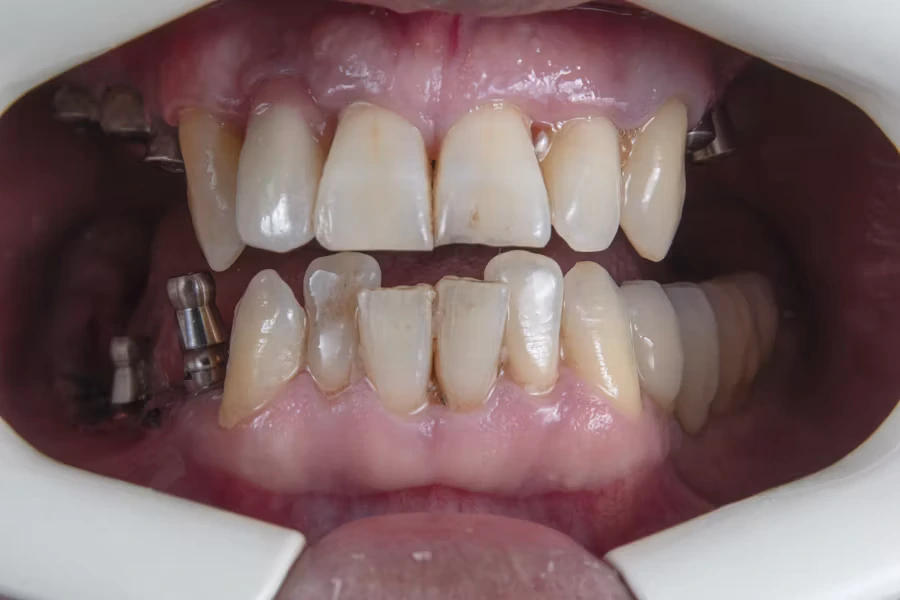
This is not a different type of implant, but a positioning strategy. With the All-on-4 technique, four implants — two vertical in the front and two tilted at 30–45° at the back — support a complete fixed prosthesis for the entire arch. The tilting of the posterior implants reaches areas of higher bone density, often bypassing the need for grafts or sinus lifting.
Indicated for: those who have lost many or all teeth in one arch and want a stable fixed solution without extensive bone grafts. Immediate loading is often possible — the provisional prosthesis is fixed to the implants on the same day as surgery.
When the traditional implant remains the best choice
The alternatives described above are not universally superior solutions: they are responses to specific clinical situations. When bone is sufficient, when a single tooth needs replacing, when the best aesthetic and functional long-term result is wanted, the standard titanium implant remains the gold standard of implantology.
It has decades of scientific literature behind it, documented success rates between 95% and 98% at 10 years, proven prosthetic systems and spare parts available over time. The alternatives are valuable when the traditional implant is not feasible — not a shortcut to avoid surgery without a valid clinical reason.
What to expect at a first implantological visit
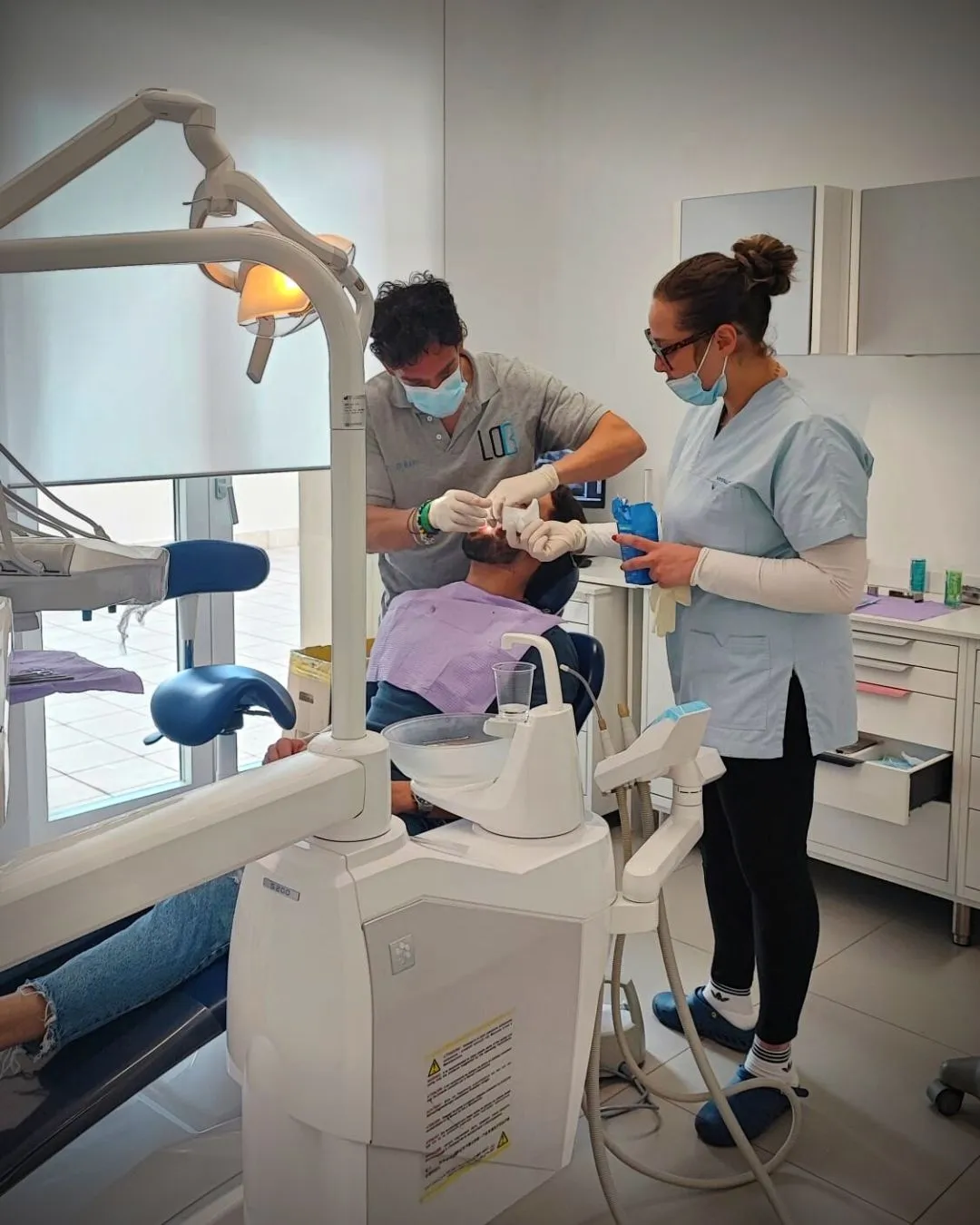
Whatever type of implant solution you are considering, the starting point is always the same specialist visit. At our practice the first implantological visit includes:
- Complete medical history and analysis of your needs and expectations
- Clinical examination of the oral cavity, gums and remaining teeth
- Assessment of available X-rays or CBCT prescription if needed
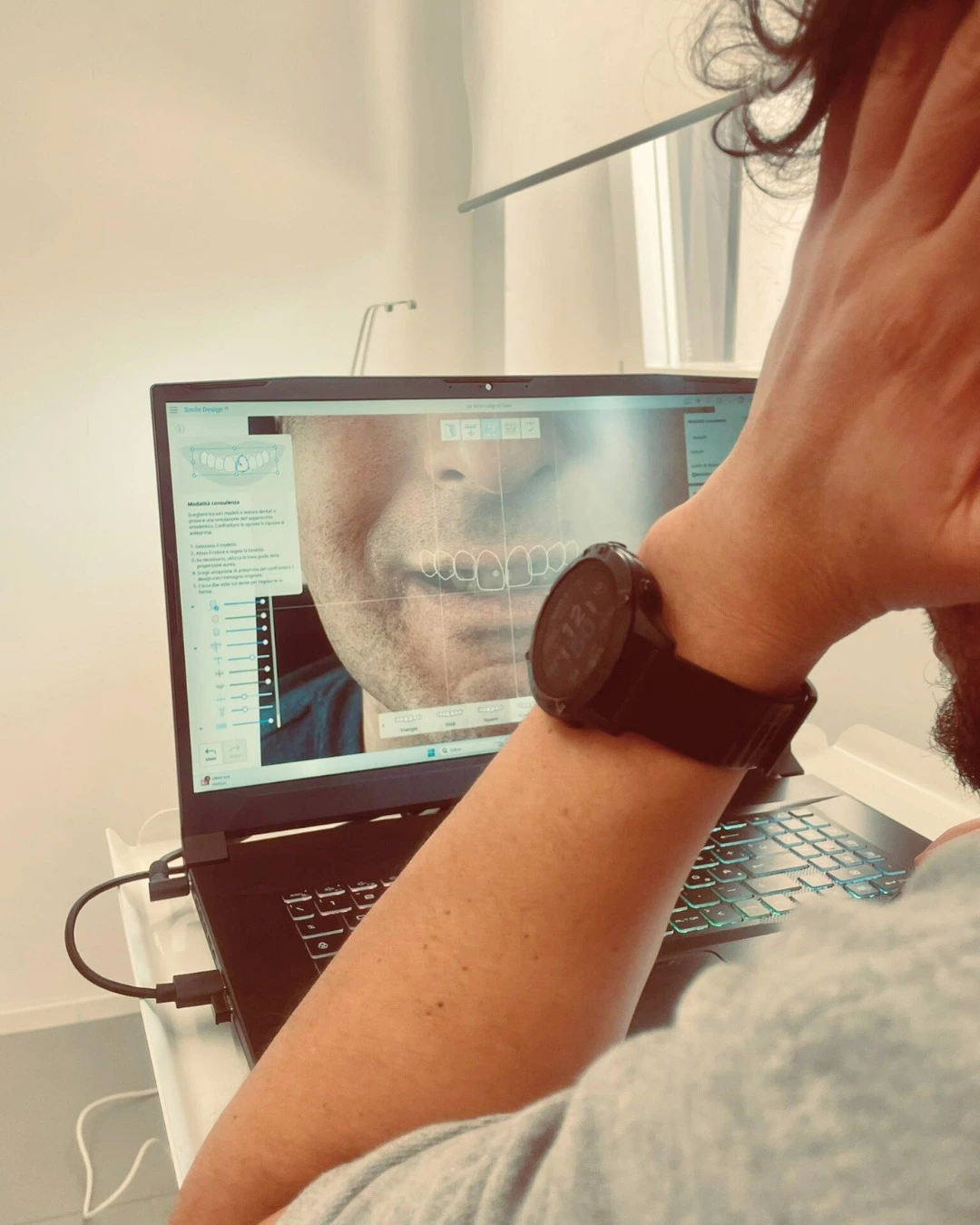
- Discussion of options applicable to your case, with pros and cons of each
- Detailed, transparent estimate with the possibility of instalment payments
There is no one-size-fits-all answer: the right technique depends on your bone situation, number of missing teeth, aesthetic expectations and medical history. The visit is the moment when all of this is assessed together.
Want to know which implant solution is right for you?
Book an implantological visit: we’ll assess your bone, your options and give you a free estimate.
Article written by Dr. Luigi di Bari, Dental Studio in Manfredonia (FG). Last updated: March 2026.